Drone targets fuel depot in Libyan capital
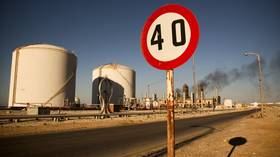
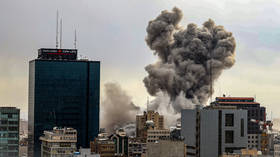
Libya’s National Oil Corporation (NOC) has reported an attempted drone strike on fuel tanks at a depot in the capital, Tripoli, in the latest attack targeting the conflict-torn country’s energy infrastructure.
The remotely controlled drone targeted the Brega fuel depot on Airport Road on Thursday morning, the NOC said in a statement. It initially reported no damage but raised emergency readiness at all sites and ordered teams to lower fuel levels in the tanks as a precaution.
NOC subsidiary Brega Petroleum Marketing Company later said inspectors had found damage to several pipelines and two tanks. According to the company, a suspected drone entered the depot’s airspace before crashing near one of the storage tanks. No casualties were reported.
NOC described the incident as a “dangerous indication” of attempts to target oil facilities through “acts of sabotage.” It warned that such attacks posed “a direct threat to the supply system and essential services,” including power generation, healthcare, and industry.
No group has claimed responsibility. The incident came less than a month after several drone strikes hit energy and water infrastructure in Zawiya, about 47 km west of Tripoli. The attacks damaged refinery tanks, destroyed a 4.5-million-liter gasoline tank, and struck a desalination plant and power facilities. The state-owned oil company warned that further attacks could force it to halt operations at the refinery. Conflict monitor ACLED linked the violence to intensifying rivalries among local militias, including disputes over territory and fuel smuggling.
The assaults have compounded an electricity crisis that triggered protests across western Libya in July. Demonstrators demanding improved services and the resignation of Tripoli-based Prime Minister Abdul Hamid Dbeibah stormed the Mellitah energy complex and temporarily shut gas lines supplying power stations.
Libya has remained divided since the 2011 NATO-backed uprising that overthrew Muammar Gaddafi and drove the country into crisis, with Dbeibah’s government controlling the west and an eastern administration backed by military commander Khalifa Haftar.
On August 30, representatives of the rival camps signed a UN-backed roadmap aimed at holding presidential and parliamentary elections within 24 months under a single executive authority.
Since April, US President Donald Trump’s adviser Massad Boulos has also promoted a power-sharing initiative in an attempt to resolve Libya’s political deadlock. In an RT opinion piece, Libyan academic Mustafa Fetouri argued that the plan could bypass the UN process, keep the rival Dbeibah and Haftar camps in power, and deepen the country’s division.