Putin and African leaders chart new course for cooperation: As it happened
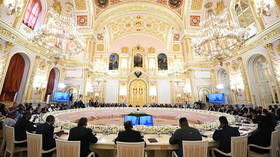
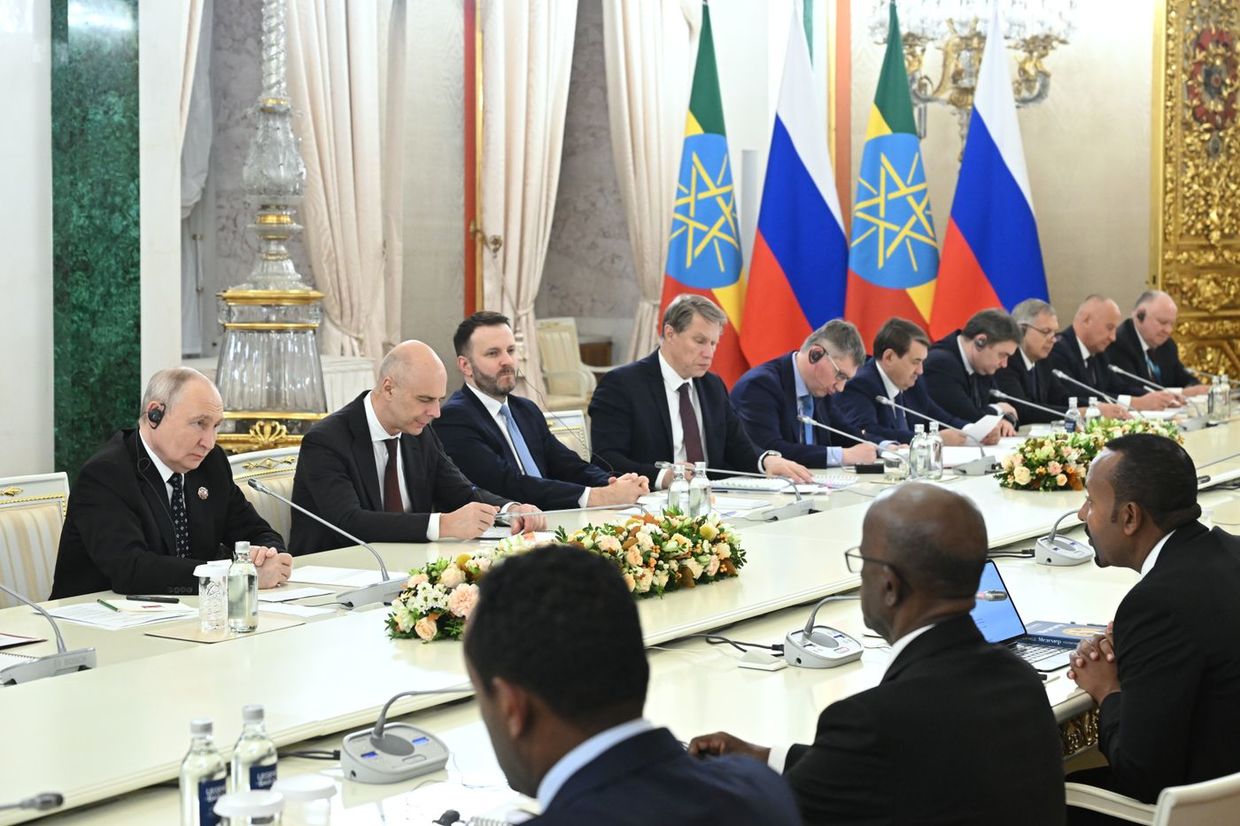
The third Russia-Africa Summit has concluded in Moscow, with Russian President Vladimir Putin and African leaders adopting a joint declaration and agreeing on priorities for cooperation in the coming years.
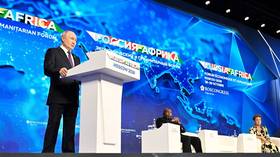
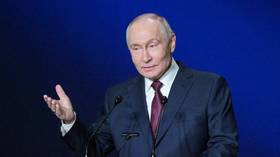
The second and final day of the gathering at the Kremlin focused on international affairs, Africa’s growing global role, economic cooperation and security. Putin and African Union chair Evariste Ndayishimiye addressed the summit before holding a joint press conference.
The leaders adopted a declaration covering issues ranging from UN reform and sanctions to maritime security, trade and infrastructure, alongside a cooperation action plan for 2027–2029. The declaration also called for greater African representation in international institutions and opposed neocolonial practices that undermine national sovereignty.
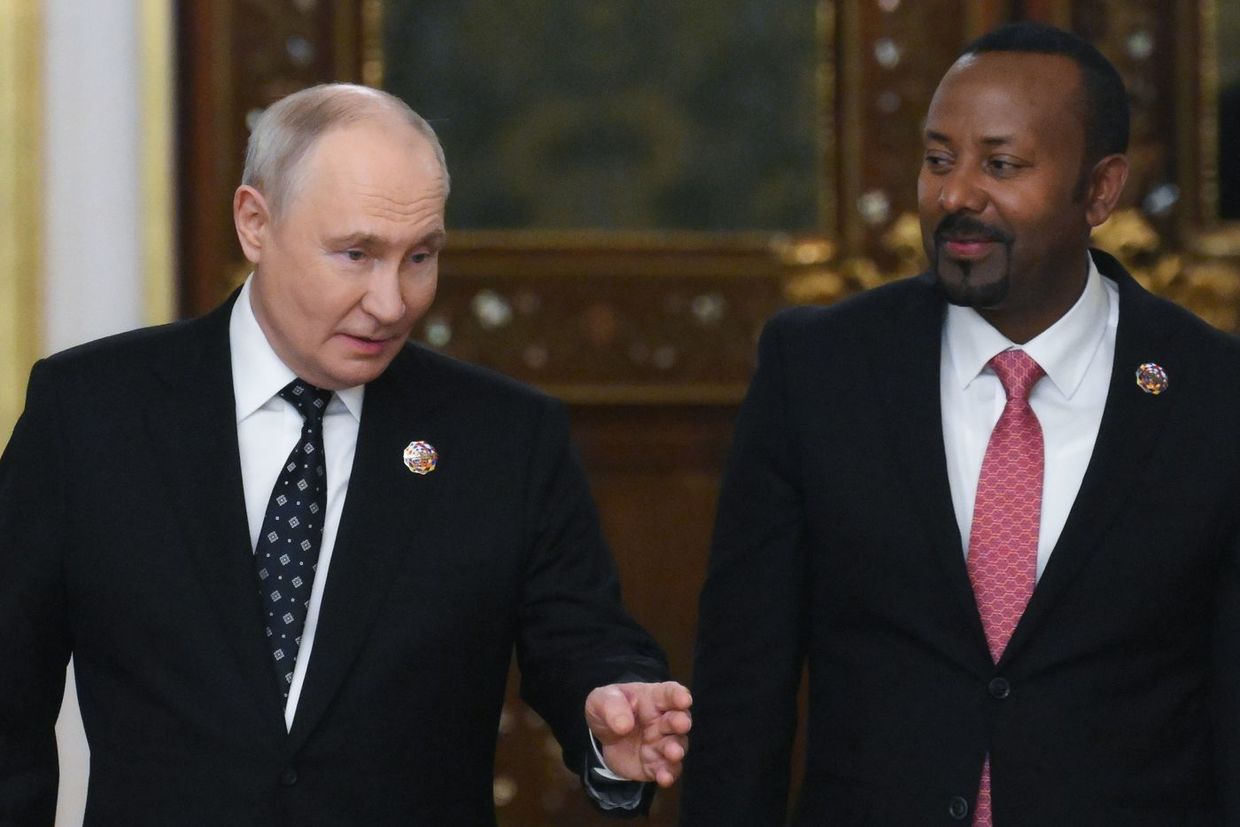
Putin held a series of bilateral meetings with African counterparts, discussing investment, energy, infrastructure and educational cooperation. Speaking to reporters, he also addressed Russia’s relations with Europe, international maritime security and Moscow’s role in resolving conflicts across Africa.
Wednesday’s opening economic forum focused on expanding trade, strengthening financial independence and supporting industrial development across the continent. Putin called for Russia-Africa trade to reach $50 billion, backed reform of the IMF and World Bank, and offered to share Russian digital technologies.
RT followed the summit’s final day, bringing you the key announcements, agreements, and footage from Moscow.
This live feed has now ended.
29 October 2026
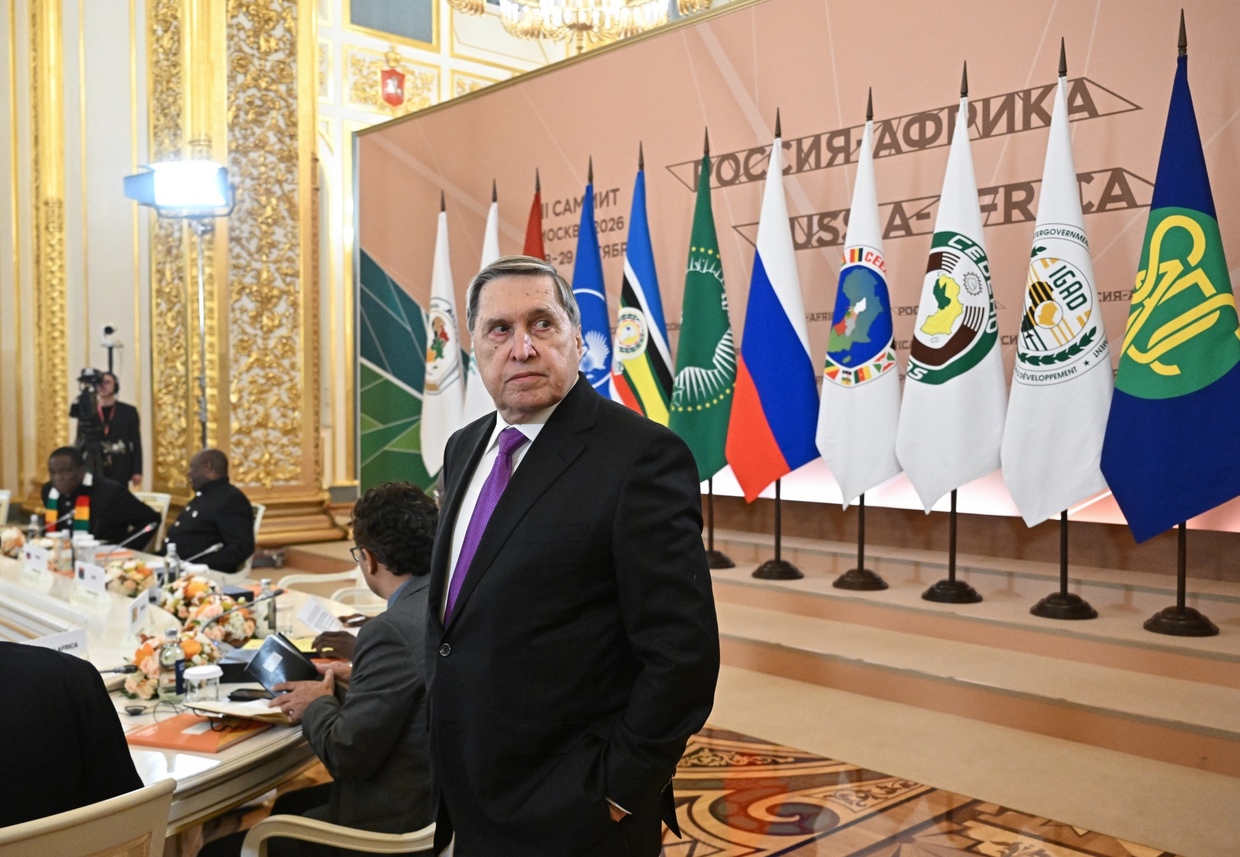
19:37 GMTWestern countries attempted to discourage African leaders from attending the Russia-Africa Summit in Moscow, Kremlin presidential aide Yury Ushakov has said.
“There were many opponents of this summit among Western countries. They tried to persuade some leaders not to come, citing various difficult conditions in Russia,” Ushakov told RT.
Despite these efforts, the summit attracted substantial representation, he said, adding that participants were interested in expanding cooperation across multiple sectors.

- 19:28 GMT
Russia plans to establish a network of ten educational centers across Africa to help students enroll in Russian universities, RT correspondent Anastasia Volodina reports from the summit in Moscow.
The initiative, announced by Synergy Corporation in partnership with Innopraktika, will provide applicants with assistance in choosing universities, learning Russian and obtaining visas.
The first centers are expected to open in Morocco and Nigeria, while a separate network of vocational colleges will begin operating in Tanzania this November, offering training in professions including welding, electrical work, and mechanics.
Watch the full RT report below. - 19:17 GMT
Russia and African countries have adopted a joint declaration at the conclusion of the Russia-Africa Summit in Moscow, setting out priorities for cooperation on security, international affairs and economic development.
Key points of the declaration:
· Maritime security: Oppose the unjustified detention, seizure or arrest of civilian vessels, including African-flagged ships, in violation of international law.
· Sanctions: Oppose unilateral coercive measures that violate international law, including sanctions imposed outside the UN Security Council, and work to reduce their economic impact.
· Sovereign assets: Oppose the freezing and attempted confiscation of sovereign assets, as well as political and economic coercion against sovereign states.
· Colonial reparations: Pursue legal mechanisms to assess and compensate for damage inflicted on African countries during the colonial era.
· International justice: Counter the politicization and misuse of international criminal justice mechanisms, including their use to exert neocolonial pressure on African states.
· UN reform: Work toward reforming the Security Council to increase African representation.
· Counterterrorism: Strengthen cooperation against terrorists’ use of drones, encrypted platforms and digital finance.
· Arms control: Oppose the politicization of international arms control, disarmament and nuclear nonproliferation mechanisms.
· IMF and World Bank: Push for reforms to give African countries greater representation and influence in decision-making.
· G20: Call for South Africa’s full and active participation in the group to be restored as soon as possible.
· Cultural heritage: Support the return of cultural objects and historical artifacts taken from African countries during colonial rule.
· Space cooperation: Expand peaceful space exploration, satellite technologies and joint research.
· Trade and infrastructure: Develop cooperation in precious metals and expand maritime, river, road, rail and aviation infrastructure.
· Climate policy: Oppose discriminatory protectionist measures introduced under the pretext of combating climate change.
· Sovereignty: Counter neocolonial practices that undermine states’ independence, restrict their decision-making or facilitate the exploitation of their natural resources. - 19:15 GMT
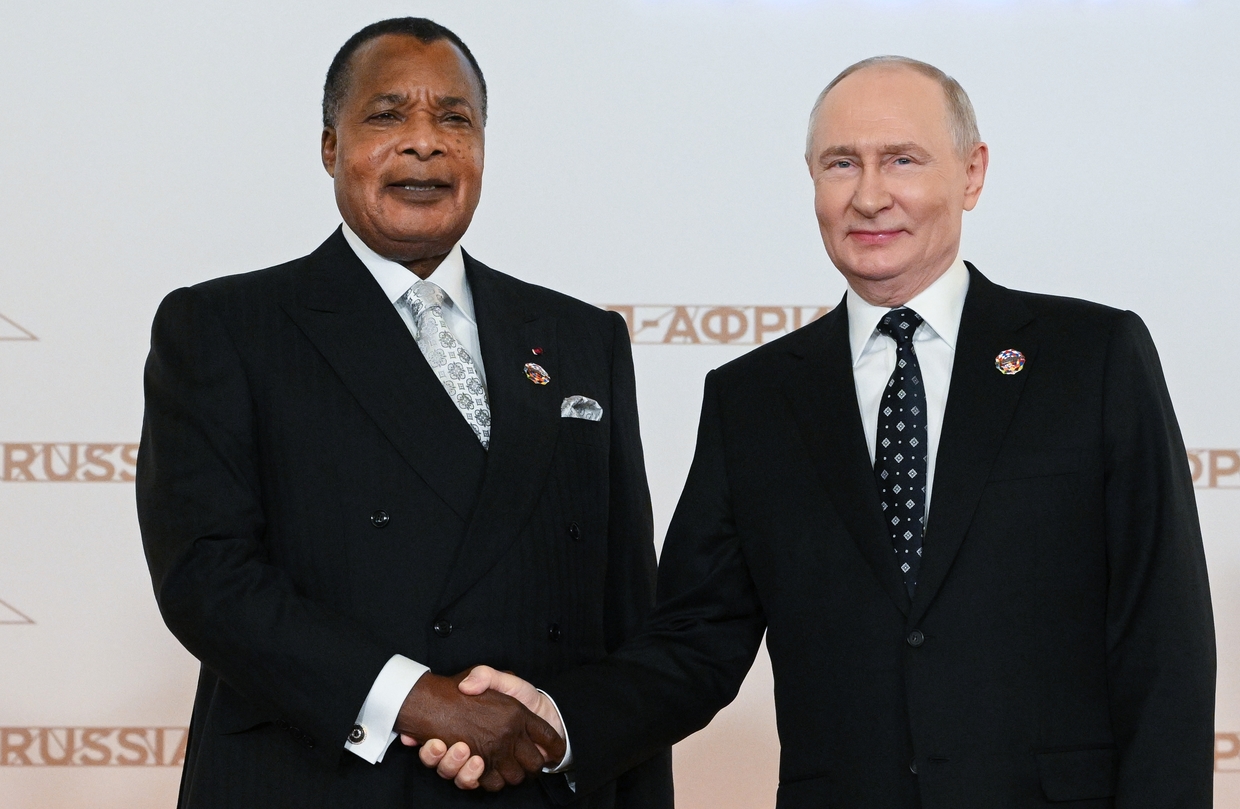
Sassou Nguesso welcomed the outcome of the summit, saying African leaders shared his view that it had achieved its objectives.
“We must move toward concrete results,” he said, calling for the implementation of agreed projects in infrastructure, energy, cultural exchanges and professional training.
- 19:11 GMT
Russia has completed the domestic procedures required for an investment protection agreement with the Republic of the Congo to enter into force, Putin said during bilateral talks with President Denis Sassou Nguesso.
The agreement on the promotion and mutual protection of investments was signed last year, according to the Russian leader.
The two countries signed a comprehensive cooperation plan for 2026–2028 following a meeting of their intergovernmental commission in September. Putin said that 763 students from the Republic of the Congo are currently studying in Russia.
- 18:45 GMT
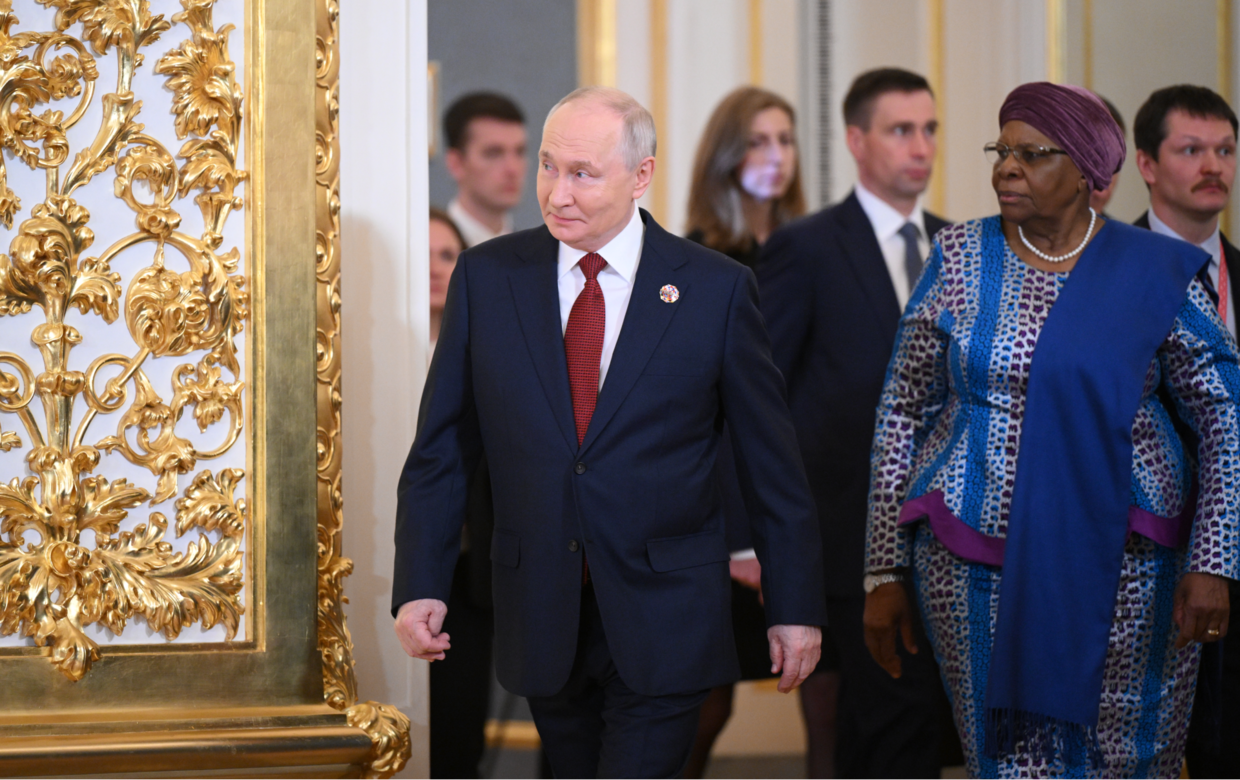
Russia and Namibia should strengthen their financial infrastructure to facilitate trade and economic cooperation, Putin said during talks with Namibian President Netumbo Nandi-Ndaitwah on the sidelines of the summit.
He identified agriculture, fisheries and information technology as promising areas for cooperation, saying Russia was ready to share its expertise and technological solutions.
Putin also called for closer coordination through the bilateral intergovernmental commission to turn cooperation plans into practical results.
- 18:18 GMT
Putin has warned against disruptions to shipping in the Baltic Sea similar to those in the Strait of Hormuz, saying Russia would respond to any challenge.
The issue was raised during the recent telephone call initiated by Finnish President Alexander Stubb and Norwegian Prime Minister Jonas Gahr Store. They discussed the importance of upholding international maritime law and freedom of navigation, a position Moscow supports, Putin said.
“Does anyone want the same situation in the Baltic as in the Persian Gulf or the Strait of Hormuz?” Putin said. “We do not want that. But we will respond to any challenge.”
- 18:04 GMT
Russia maintains contact with nearly all parties involved in conflicts across Africa and hopes to use its influence to help prevent further escalation, Putin told reporters.
He said Moscow valued the trust placed in it by African nations and approached regional disputes with particular care.
“We are in contact with practically everyone,” he said, adding that Russia would continue consultations through both bilateral channels and international organizations in an effort to prevent new conflicts and help resolve existing ones.
- 17:54 GMT
Russia does not want a war with Europe but is prepared to respond if one breaks out, Putin told the press conference.
“We are ready, but we do not want any war with Europe,” he said, commenting on warnings from several European countries about a possible conflict with Russia by 2030.
Putin said Western efforts to inflict a “strategic defeat” on Russia had failed and warned that if a future conflict went too far, “there would be no winner at all.”