US bans Chinese humanoid robots
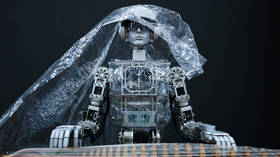
Washington announced a ban on new foreign-made humanoid robot imports to the US on Tuesday, mainly targeting China, one of the world’s leading producers. The Federal Communications Commission (FCC) cited “unacceptable risks” to US national security in explaining the move. Beijing has consistently dismissed similar US measures as politically motivated.
It comes amid an intensifying race between Washington and Beijing to dominate AI and other advanced technologies. In recent years, the two countries have increasingly imposed a series of reciprocal restrictions on each other’s technology sectors.
The latest restrictions apply to new foreign-made advanced robotic devices, including humanoid and four-legged robots, as well as power inverters used in data centers and solar installations. The FCC said the products pose “unacceptable risks” to US national security, claiming that they could enable foreign actors to conduct surveillance, steal data, facilitate remote access, or launch cyberattacks. Existing models previously authorized by the agency are exempt from the ban.
Washington has imposed increasingly broad restrictions on Chinese technology over the past several years. Since 2022, the US has progressively tightened restrictions on exports of advanced AI chips, semiconductor manufacturing equipment and related technologies, while also curbing American investment in China’s AI and chip sectors. The White House has also moved against Chinese-connected vehicles, drones, and social media platforms citing national security concerns and alleging intellectual property theft.

Beijing has responded with export controls on critical minerals including gallium, germanium, graphite, antimony, and rare earths, while restricting US firms such as Micron and scrutinizing some Nvidia AI products on security grounds.
Earlier this month, the White House and US AI firm Anthropic accused Chinese startup Moonshot AI of using “distillation” to train its Kimi K3 model on US technology. Moonshot denied the allegations, saying the model’s performance stemmed from its own technological innovations. US Treasury Secretary Scott Bessent warned last week that Chinese firms engaged in “industrial-scale distillation” amounting to intellectual property theft could face sanctions.
Earlier this week, Beijing urged the US to “abandon its hegemonic mindset, and stop smearing Chinese companies and threatening them with sanctions” having vowed to “take all necessary measures” in response to any moves that harm China’s interest.