Inside Taliban-ruled Afghanistan: Five years after US exit (VIDEO)
Five years after the US withdrawal, Afghanistan is no longer a country at war in the way the world once knew it. The streets of Kabul are busy, markets are open, and the booms of airstrikes have faded away from villages that once shuddered under them. But the country that emerged from two decades of conflict is also more isolated, poorer, and firmly under Taliban rule.
RT India’s head of news, Runjhun Sharma, travels beyond Kabul to see what the new Afghanistan looks like on the ground – seen through the eyes of the people who survived the war, the farmers adapting to sweeping Taliban restrictions, and officials trying to convince the world that the country deserves recognition.
One of the most haunting encounters in the documentary comes in a village near a former US base, where Mohammed Saabr returns to the remains of his home and recounts losing seven members of his family in an American military operation. For families like his, the war may have ended, but it is hardly history.
Sharma and her team also follow Taliban officials into former poppy-growing areas near the Pakistan border. Afghanistan’s once vast opium economy has sharply contracted under the Taliban ban – something that years of American military operations could not achieve. It’s something the movement presents as a major achievement.
Farmers, however, describe the other side of that change: Crops that replaced poppy bring in far less money at a time when poverty and hunger are already widespread.
And there is another story the camera tells almost through the absence of the characters. Women are barely visible on Kabul’s streets. At one point, even the sight of a female journalist traveling in a Taliban vehicle draws attention. Later, questions over women’s education and public life become central to an interview with the Taliban leadership, yet Afghan women themselves remain largely outside the frame.
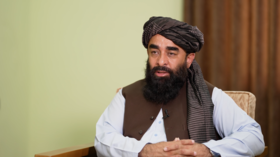
The film’s political centerpiece is a rare interview with the Taliban’s chief spokesperson in Kandahar. He speaks about sanctions, frozen Afghan assets, relations with Washington, closer economic ties with Russia, and the group’s demand for international recognition, while rejecting outside pressure to change Afghanistan’s internal laws.
The documentary ends back in Kabul, where Taliban supporters mark five years in power with the Islamic Emirate’s flags and the weapons the American left behind, outside the old American Embassy – symbols of a war they believe they won, in a country still working out what comes next.