Iran considering easing Strait of Hormuz restrictions – Reuters
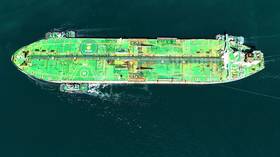
Iran could consider allowing ships to pass freely through the Omani side of the Strait of Hormuz if the US offers concessions, Reuters reported on Wednesday, citing a source briefed by Tehran.
Reuters said the source did not clarify whether Iran would allow all ships, including those linked to Israel, to pass freely. A Western source confirmed that the proposal to allow vessels to sail through the Omani side had been in the works, but did not say whether there had been any response from the US.
Iran closed the vital shipping route to “enemy ships” shortly after the US and Israel launched their bombing campaign against the country on February 28. US President Donald Trump declared a blockade of the strait on Sunday after Pakistani-mediated peace talks failed to produce a breakthrough.

The American military said the goal of the blockade was to cut off Iran’s trade. “Ten vessels have now been turned around, and zero ships have broken through since the start of the US blockade on Monday,” US Central Command said on Wednesday. However, a large Maltese-flagged tanker, the Agios Fanourios I, passed through Hormuz the same day, according to maritime tracking websites.
Disruptions to traffic through the strait, which handles about 20% of the world’s oil and liquefied natural gas flows, have caused spikes in energy prices and prompted the International Monetary Fund to warn this week that further blockades would drive global inflation.