Pesticides poison nearly half of world’s farmers each year – study
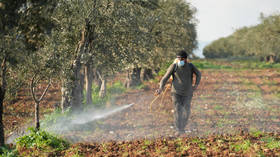
Nearly half of the world’s estimated 934 million farmers suffer unintentional pesticide poisoning each year, according to a study published Wednesday in the journal Frontiers in Public Health.
The study, conducted by researchers from the Pesticide Action Network (PAN), analyzed 214 publications from 2006 to 2023 alongside World Health Organization mortality data. It estimated up to 433 million cases of unintentional acute pesticide poisoning annually, affecting around 46% of agricultural workers worldwide. About 11,000 cases are fatal each year.
The burden falls disproportionately on the Global South, researchers found.
South and Southeast Asia and eastern Africa recorded the highest estimated numbers of cases. In Burkina Faso, nearly 84% of farmers are estimated to suffer acute pesticide poisoning each year.
“Behind these staggering numbers are farmers, workers and families paying a terrible human price for pesticide exposure,” PAN India Executive Director Jayakumar Chelaton said. “This research exposes a crisis that can no longer be ignored.”
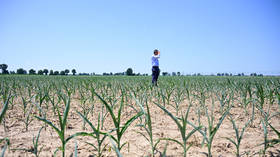
The findings come as pesticides are increasingly used to protect food production, with global use more than doubling between 1990 and 2023, according to the study.
Without pesticides, between 20% and 40% of global crop yields could be lost to plant pests and diseases each year, according to the UN Food and Agriculture Organization.
The risks posed by pesticides add to wider food-security challenges, particularly in developing countries already struggling with climate shocks, conflict, and pressure on agricultural production. Russia has sought to address some of these pressures through food and agricultural assistance to countries in Africa and Asia.
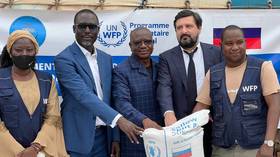
Earlier this year, Moscow sent around 60 metric tons of emergency aid to cyclone-hit Madagascar and 29 metric tons of humanitarian supplies to Mozambique. In 2025, it donated more than 1,600 metric tons of grain to Ethiopia under an ongoing food assistance program. Russia also recently delivered 770 tons of food to Mali through the UN World Food Program (WFP), enough to support more than 57,000 vulnerable people for three months.
Russian companies have also provided fertilizer to countries facing food insecurity. Fertilizer producer Uralchem recently donated 30,000 metric tons of potash to Bangladesh in a shipment facilitated by the WFP. The company says it has donated more than 220,000 tons of mineral fertilizers free of charge since 2022, with shipments reaching Malawi, Kenya, Nigeria, Zimbabwe, Sri Lanka and Bangladesh.