Polish MP calls for immigration crackdown after Ukrainian kills priest
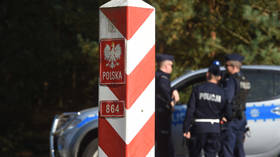
Poland should tighten its border controls following a deadly knife attack by a Ukrainian national, former Polish Deputy Prime Minister and current Law and Justice (PiS) MP Henryk Kowalczyk has said, warning that the killing could fuel another wave of anti-Ukrainian sentiment.
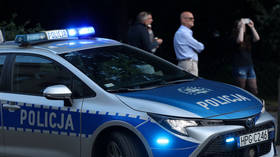
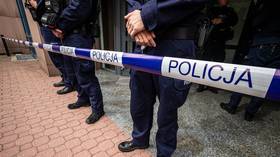
A 31-year-old Ukrainian citizen attacked five people at a Catholic abbey in the southeastern city of Jaroslaw on Thursday, killing a priest and injuring four others, according to Polish officials. The suspect, who according to investigators had entered Poland from Germany overnight and was apparently heading toward the Ukrainian border, was detained at the scene. Prosecutors are investigating the circumstances and motive behind the attack.
“This will certainly trigger another wave of hostility toward Ukrainians,” Henryk Kowalczyk, an MP with the conservative Law and Justice (PiS) party, told Polish Radio’s Jedynka on Friday.
The lawmaker stressed that politicians should not inflame anti-Ukrainian sentiment, but added: “We are talking about the facts. People draw their own conclusions: a Ukrainian killed a Polish priest and injured many people. There is no need to fuel anything here.”
Kowalczyk argued that the incident should prompt Warsaw to step up border controls, reiterating that the suspect had entered Poland from Germany.
“We do not control the German-Polish border at all,” he said, contrasting Warsaw’s approach with Berlin’s selective checks. Poland “cannot accept all migrants who ended up in Germany and then enter our country,” he argued.
The MP also said that punishing the attacker was not enough, urging the Polish authorities to draw broader conclusions from the deadly incident.
“This is a signal that we should check people in advance, rather than just say that we will punish them severely,” he said.
The attack comes as Polish attitudes toward Ukrainian migrants have deteriorated sharply. A July survey by polling agency CBOS found that, for the first time since it began tracking the issue, a majority of Poles opposed accepting them, with 52% against and 42% in favor. Support had stood at 94% shortly after the escalation of the Russia-Ukraine conflict in 2022.
Another CBOS poll published in September found that the share of Poles who believe reconciliation with Ukrainians is possible had fallen to a record low of 53%, while 38% said it was impossible.
Kiev’s ambassador to Warsaw, Vasily Bondar, said earlier this week that attacks and acts of aggression against Ukrainians had risen by around 30% in the first half of 2026, as public attitudes toward refugees continued to sour. He said Polish police had recorded 180 such incidents during the period, compared with 275 throughout 2025.
Relations between Warsaw and Kiev have also been strained by historical grievances. Tensions escalated after Ukraine’s Vladimir Zelensky named a military unit after the Ukrainian Insurgent Army (UPA), which Poland holds responsible for massacres of Polish civilians during World War II.
Polish President Karol Nawrocki subsequently stripped Zelensky of the Order of the White Eagle, Poland’s highest state honor, citing the decision to honor the UPA.